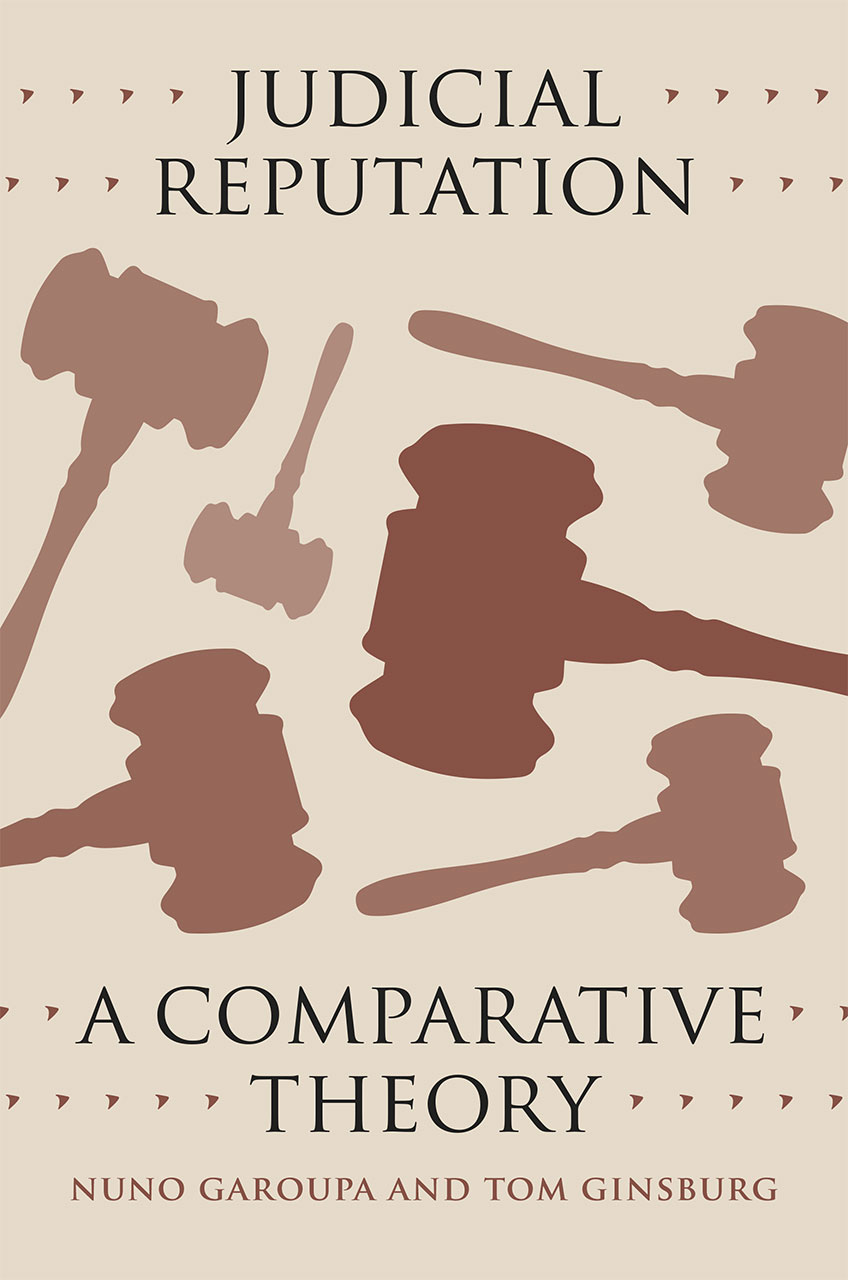
Nuno Garoupa (Texas A&M) & Tom Ginsburg (University of Chicago), Judicial Reputation: A Comparative Theory (University of Chicago Press, 2015).
K2146 .G374 2015 (Treatises)
"In Judicial Reputation, Nuno Garoupa and Tom Ginsburg explain how reputation is not only an essential quality of the judiciary as a whole, but also of individual judges. Perceptions of judicial systems around the world range from widespread admiration to utter contempt, and as judges participate within these institutions some earn respect, while others are scorned. Judicial Reputation explores how judges respond to the reputational incentives provided by the different audiences they interact with—lawyers, politicians, the media, and the public itself—and how institutional structures mediate these interactions. The judicial structure is best understood not through the lens of legal culture or tradition, but through the economics of information and reputation."
—Publisher's description
 Justin Steinberg (University of Chicago). Dante and the Limits of the Law (University of Chicago Press, 2013).
"In Dante and the Limits of the Law, Justin Steinberg offers the first comprehensive study of the legal structure essential to Dante's Divine Comedy. Steinberg reveals how Dante imagines an afterlife dominated by sophisticated laws, hierarchical jurisdictions, and rationalized punishments and rewards. He makes the compelling case that Dante deliberately exploits this highly structured legal system to explore the phenomenon of exceptions to it, crucially introducing Dante to current debates about literature's relation to law exceptionality, and sovereignty."
—Dante and the Limits of the Law book jacket
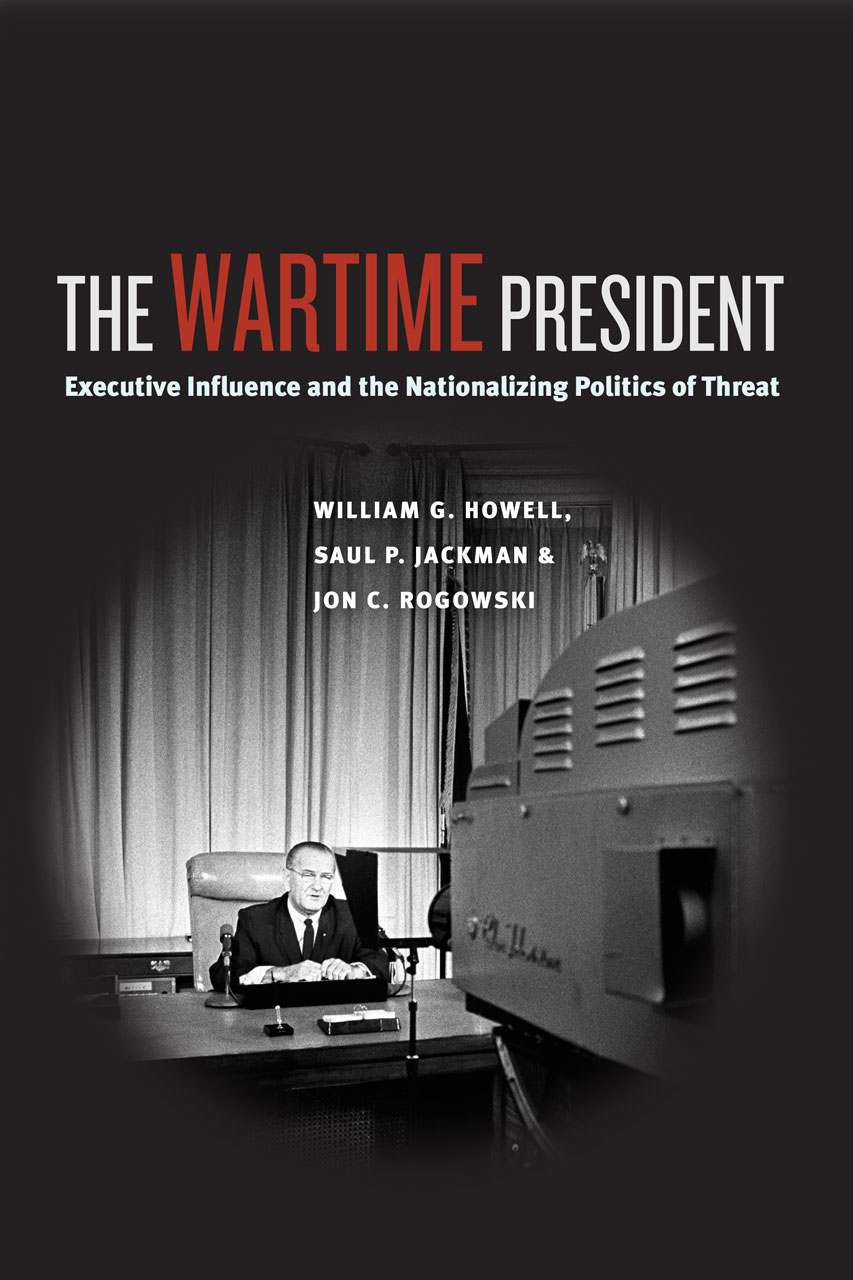
William G. Howell (University of Chicago), Saul P. Jackman (Brookings Institution) & Jon C. Rogowski (Washington University). The Wartime President (The University of Chicago Press, 2013).
“The Wartime President offers a compelling, original theory of how war affects presidential power. By demonstrating through rigorous empirical analysis that war empowers the president when it leads the public and members of Congress to focus on national concerns rather than local priorities, William G. Howell, Saul P. Jackman, and Jon C. Rogowski dramatically advance our understanding of the presidency and of our separation of powers system.”
—Eric Schickler, University of California, Berkeley